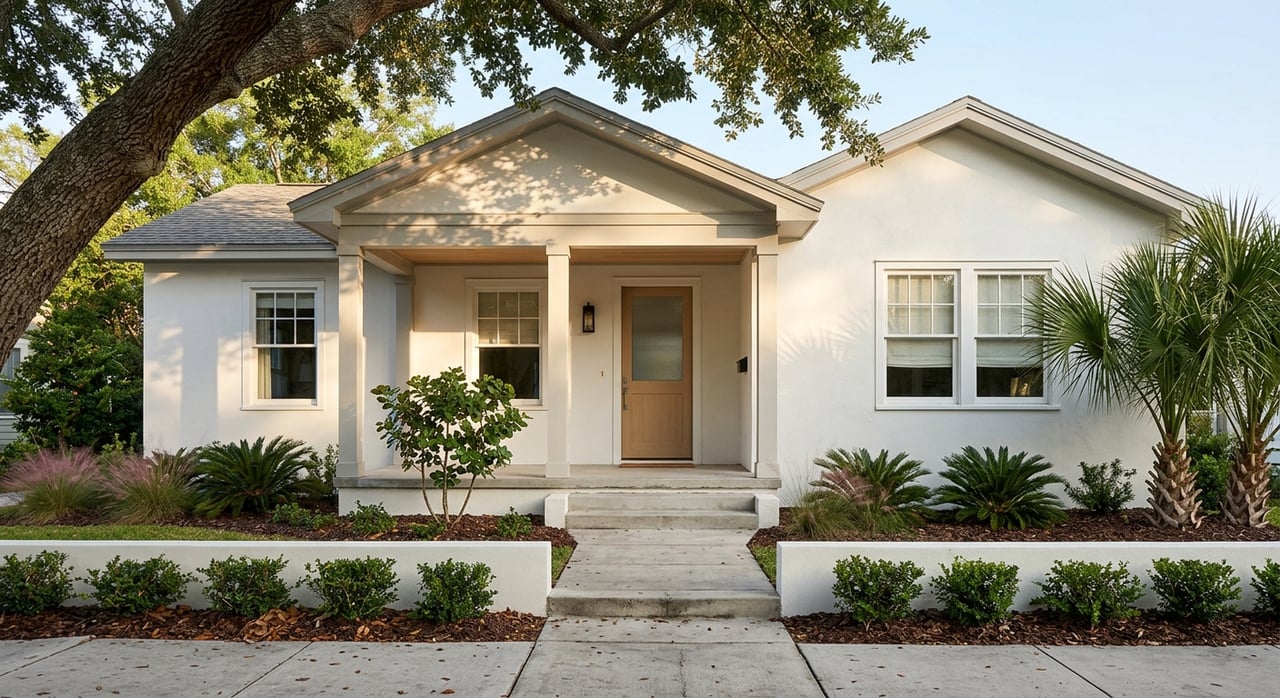
Wondering which St. Petersburg neighborhood feels most like you? That is a smart question, because St. Pete is not one-note. Depending on where you look, you can find artsy city energy, historic streetscapes, bayfront living, or quieter residential pockets. This guide will help you understand the distinct vibes across St. Petersburg neighborhoods so you can narrow your search with more confidence. Let’s dive in.
St. Pete Feels Different Block by Block
One of the best ways to understand St. Petersburg is to see it as a city of micro-neighborhoods. City mapping and district resources show a place shaped by historic districts, trolley corridors, brick streets, heritage trails, and neighborhood clusters that each feel different on the ground.
That matters if you are planning a move. St. Pete can feel walkable and urban in one area, preservation-minded and residential in another, or more tied to boating and waterfront access in another. Instead of asking whether St. Pete is a fit, it often makes more sense to ask which part of St. Pete fits your lifestyle.
Downtown And Central Avenue Energy
If you want the most walkable, arts-focused, and nightlife-oriented side of St. Petersburg, start around Downtown and Central Avenue. This part of the city layers museums, restaurants, galleries, shops, murals, and entertainment into a more active daily rhythm.
The Central Arts District is a big part of that identity. It runs along Central Avenue through downtown and is known for museums, galleries, murals, shops, and restaurants. If you picture coffee runs, gallery stops, and plenty of things happening nearby, this area supports that kind of routine.
The Grand Central District adds another strong personality. This 15-block stretch of Central Avenue is known for galleries, shops, restaurants, and an important LGBTQ+ history. Nearby, the EDGE District leans into shopping, dining, and nightlife, while the Warehouse Arts District brings a creative feel through former industrial spaces now used as studios and galleries.
Deuces Live adds another cultural layer to the broader central area. It includes historic sites, the Dr. Carter G. Woodson Museum of African American History, and the city’s African-American Heritage Trail, which gives this part of St. Pete added depth and local context.
Waterfront Attractions And Car-Light Living
Downtown St. Pete’s energy also extends to the waterfront. The Waterfront Museum District includes the Dalí Museum, Mahaffey Theater, Museum of Fine Arts, James Museum, and the Vinoy, creating a dense concentration of cultural destinations near the bay.
The St. Pete Pier District adds even more outdoor activity. The 26-acre district includes green space, eateries, fishing, a splash pad, watercraft launches, and outdoor art installations. For many buyers, that mix helps define the area’s vibe as active, scenic, and easy to enjoy without needing a big plan.
Transit also helps support a more car-light routine here. The Downtown Looper connects major museums, attractions, shopping, and dining every 15 to 20 minutes seven days a week, and the SunRunner provides frequent service along the beach-to-downtown corridor.
Historic Neighborhoods With Character
If you are drawn to architecture, mature trees, porches, and streets that feel established, St. Petersburg has several neighborhoods with a strong historic identity. These areas often stand out because of their building styles, street patterns, and preserved details rather than nightlife or event density.
Old Northeast, also known as the North Shore Historic District, is one of the city’s clearest examples. Located north of downtown, it includes early- to mid-20th-century houses and apartments in a wide mix of styles, including Craftsman, Bungalow, Mediterranean Revival, Tudor Revival, Ranch, and Art Moderne. The district also retains brick streets, alleys, hexagonal sidewalks, and granite curbing, which gives it a distinctive street-level feel.
For some buyers, the appeal here is not just the homes. It is also the atmosphere created by mature streetscapes and a layout that slopes toward Coffee Pot Bayou and Tampa Bay. If you want historic character without feeling far removed from downtown, this area often stands out.
Downtown Historic District Feel
The Downtown St. Petersburg Historic District offers a different kind of historic setting. Instead of a primarily residential feel, it has a more urban historic character with late Victorian and late 19th- and 20th-century revival architecture.
This can be a strong fit if you like old-building charm but still want to stay near the center of the city. It blends historic architecture with a more connected, downtown-oriented lifestyle, which is a different experience than a quieter residential district.
Kenwood And Roser Park
Historic Kenwood gives the west side a recognizable identity. National Park Service material ties much of its development to the 1910s and early 1920s, and city planning material describes the neighborhood as known for historic bungalow and craftsman homes.
Kenwood also carries an arts connection. City timeline material notes that part of Historic Kenwood was designated an Artist Enclave in 2014, which adds to its creative and design-oriented feel.
Roser Park offers yet another version of historic St. Pete. Located just southwest of downtown, this residential neighborhood includes homes from the 1910s through the 1940s and features bungalow, Prairie, revival, and wood-frame vernacular styles. With Booker Creek, brick streets, granite curbs, mature plantings, and a garden-suburb feel, it often reads as quieter and more tucked away.
Waterfront And Boating-Oriented Areas
If your ideal day includes water views, paddling, or easier access to boating, several St. Petersburg neighborhoods lean into bay life. These areas tend to feel more residential and water-oriented, with a different pace than the downtown core.
Snell Isle is one of the clearest examples. Historical material describes it as a 1925 development known for Spanish- and Italian-style homes, and its geography and access patterns reinforce its bayfront identity.
Nearby areas such as Shore Acres and Venetian Isles also connect strongly to the waterfront story. City public safety resources even highlight this orientation by noting that the Shore Acres station is the city’s only waterfront fire station and serves Shore Acres, Snell Isle, and Venetian Isles.
Where Water Access Shapes Daily Life
Pinellas County’s Blueways guide helps show how boating and paddling fit into daily life in several parts of St. Pete. Coffee Pot Bayou Park offers boat-ramp access and nearby restaurants and groceries, while Crisp Park offers boat-ramp access to Tampa Bay along the residential coastline of Snell Isle and Shore Acres.
Farther south and west, Maximo Park includes a sandy launch area and boat ramp to Frenchman’s Creek. War Veterans Memorial Park sits on Boca Ciega Bay with Gulf access, and Jungle Prada Park combines launch access with local history. Lassing Park also provides waterfront access to Tampa Bay, with downtown visible from the water.
For buyers comparing neighborhoods, these access points can be very helpful. They show that waterfront living in St. Pete is not limited to a single look or location. In some areas, the vibe is more bayfront and residential. In others, it is about recreation and launch access near established neighborhoods.
Quieter Residential Pockets
Not every St. Petersburg neighborhood centers on nightlife, museums, or historic designation. Some areas simply feel more like everyday-home neighborhoods, with a lower-key rhythm and a more residential atmosphere.
North and west side neighborhoods such as Magnolia Heights, Meadowlawn, Fossil Park, Disston Heights, and Euclid-St. Paul fit well in this category. Based on city district groupings, these areas are useful to think of as residential pockets rather than core entertainment zones.
That does not mean disconnected. The Pinellas Trail, which runs from St. Petersburg to Tarpon Springs, supports walking, jogging, skating, and biking, helping explain why many parts of the city can still support an active, trail-oriented lifestyle even outside the downtown core.
A Simple Way To Match The Vibe
If you are trying to narrow your search, it helps to group St. Pete neighborhoods by the kind of daily life they support. Here is a quick shorthand based on the city and destination resources in the research.
| Lifestyle focus | Areas to explore |
|---|---|
| Arts, dining, and nightlife | Downtown, Central Arts, Grand Central, EDGE, Warehouse Arts |
| Historic architecture and street character | Old Northeast, Downtown Historic District, Kenwood, Roser Park |
| Boating and bay life | Snell Isle, Shore Acres, Venetian Isles, Coffee Pot Bayou, Maximo, Jungle Prada |
| Quieter residential rhythm | Magnolia Heights, Meadowlawn, Fossil Park, Disston Heights, Euclid-St. Paul |
This kind of comparison can save you time. Instead of touring random areas, you can focus first on the neighborhoods that best match how you want your day-to-day life to feel.
Why Neighborhood Fit Matters
A home search is about more than square footage or price. In a city like St. Petersburg, neighborhood feel can shape your routine just as much as the home itself.
You may want quick access to museums and restaurants. You may prefer brick streets, mature trees, and older architecture. Or you may want to be closer to waterfront launch points and a quieter setting. Getting clear on that lifestyle fit early can make your search more focused and less overwhelming.
If you are thinking about buying or selling in St. Petersburg, having a local guide can make it easier to compare options, spot the tradeoffs, and move at a pace that feels right for you. If you want personalized help exploring the right neighborhood fit for your next move, reach out to Danna Goss.
FAQs
What makes St. Petersburg neighborhoods feel so different?
- St. Petersburg includes historic districts, arts corridors, waterfront areas, and quieter residential pockets, so the feel can change a lot from one part of the city to another.
Which St. Petersburg areas feel most walkable and arts-focused?
- Downtown, the Central Arts District, Grand Central District, EDGE District, and Warehouse Arts District are the strongest fit for walkability, galleries, dining, and nightlife.
Which St. Petersburg neighborhoods have the most historic character?
- Old Northeast, the Downtown Historic District, Historic Kenwood, and Roser Park are some of the city’s clearest examples of historic architecture, mature streetscapes, and preserved neighborhood character.
Which St. Petersburg areas are best for boating and waterfront access?
- Snell Isle, Shore Acres, Venetian Isles, Coffee Pot Bayou, Maximo, War Veterans Memorial Park, Jungle Prada, and Lassing Park all connect strongly to waterfront recreation and access.
Which St. Petersburg neighborhoods feel quieter and more residential?
- Areas such as Magnolia Heights, Meadowlawn, Fossil Park, Disston Heights, and Euclid-St. Paul are better framed as lower-key residential neighborhoods than nightlife-centered districts.